Companies aren’t just marketing themselves to consumers anymore, they also market themselves to future employees too. This shift, often called recruitment marketing or employee branding, highlights how competitive and transparent the job market has become and how businesses position themselves throughout the hiring process. Just like products or services have value propositions, companies now create an employer value proposition (EVP) that defines what makes them unique, a great place to work, and attractive to potential candidates. With today’s competitive job market and concerns around ongoing turnover rates, it’s more important than ever for companies to clearly communicate why someone should work for them, especially since attracting talent has become just as strategic as attracting customers.
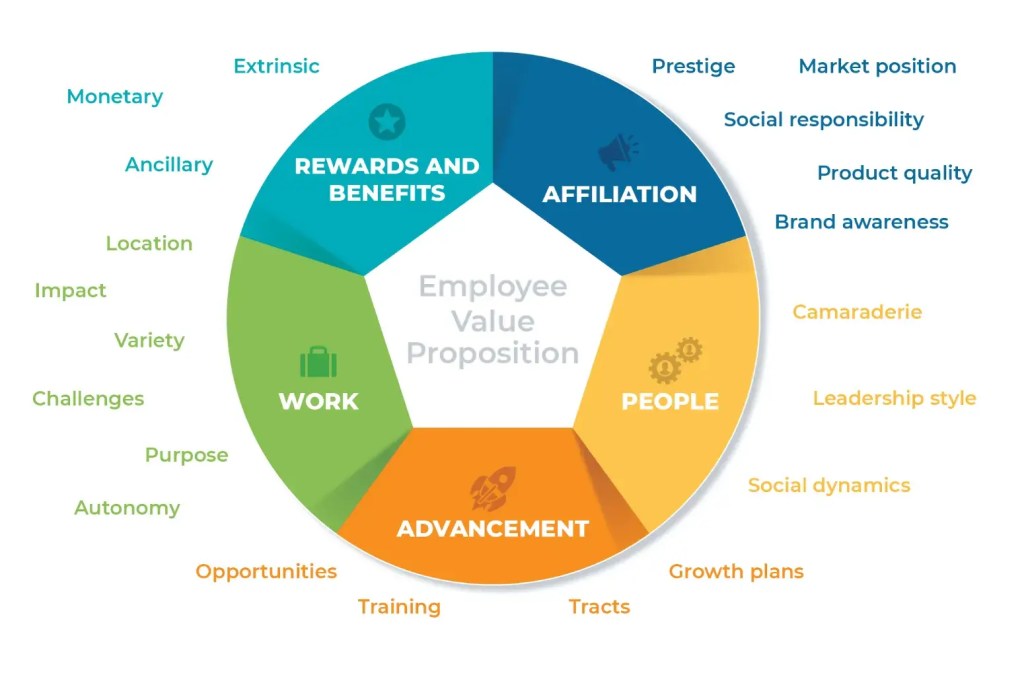
One of the biggest ways companies are demonstrating their EVP is through social media platforms such as LinkedIn and Instagram. Brands are using these platforms to highlight team events, share employee’s stories, and showcase their work environment in order to capture the attention of potential hires. In many ways, I view this as a brand’s ability to invest in growth since promoting training programs and career development opportunities helps attract ambitious and driven talent into their workforce. I saw this firsthand while working in the marketing department at ITS Logistics and realized just how interconnected marketing and HR really are. While most of the work focused on potential clients, the marketing team spent a significant amount of time also working with HR to shape how ITS marketed itself to future employees and demonstrated its workplace culture. This is especially shown through their programs like the Logistics Sales Executive training program, career fair tours, and content like their ‘Why ITS’ video.
With all of that being said, it’s crucial companies market themselves well but not in a way that is exaggerated or misleading. If a company promotes a culture that doesn’t actually exist or fails to reflect the reality of their workplace, it can lead to what they call cultural misalignment. When cultural misalignment occurs, employees are left feeling misled, undervalued, or disconnected which ultimately leads to higher turnover rates, lower performance, decreased productivity, and have a lack of trust. Because of this fine line, companies must make sure that the way they market themselves to potential employees is accurate and authentic. Overall, they should be doing so with the same level of sincerity and truthfulness they use to market to their consumers and clients, because at the end of the day, strong employer brands are built on reality just as much as perception.
What makes a company stand out to you as a potential employee?



Leave a comment