Every April Fools’ Day, brands lean into outrageous, fun, and slightly believable campaigns designed to catch consumers off guard, and every year I get excited to see what brands will do next. Because so many people forget what day it is, these campaigns often spark real excitement before the realization kicks in. Looking at this through a marketing lens, its one of the most interesting days of the year where brands get to experiment, push creative boundaries, and generate massive engagement with a relatively low risk. When done well, April Fools’ campaigns don’t just entertain, they drive conversation, increase visibility, and sometimes even produce products consumers would actually buy.
Here are my top 5 favorite April Fools’ campaigns from 2026:
1. Dyson Beauty Pet Range
This campaign plays off of the hype around the Dyson Airwrap by reimagining it as a grooming tool for pets. It feels so aligned with Dyson’s innovation focused brand DNA that it blurs the line between a joke and a potential product expansion.
2. Pantene x Bounty Hair Towel
Pantene x Bounty is one of the most believable collaborations from this year, leaning into Bounty’s “absorbs faster” positioning in a way that translates seamlessly into hair care. It’s unexpected but not unrealistic, which is exactly what makes it clever and effective and what feels like a product that could genuinely exist.
3. Yahoo’s Scrōll Stoppr
Yahoo took a more sarcastic approach by selling a physical product designed to stop users from being able to physically scroll on their phones, but is ironically only purchasable through TikTok shop. The humor comes from the built-in contradiction, making the campaign feel clever and self-aware.
4. Listerine Protein
By tapping into society’s protein obsessed culture, Listerine turns their product into something absurd yet culturally relevant. “Swish. Spit. Swole.” is memorable, scroll-stopping, and perfectly timed with current customer trends.
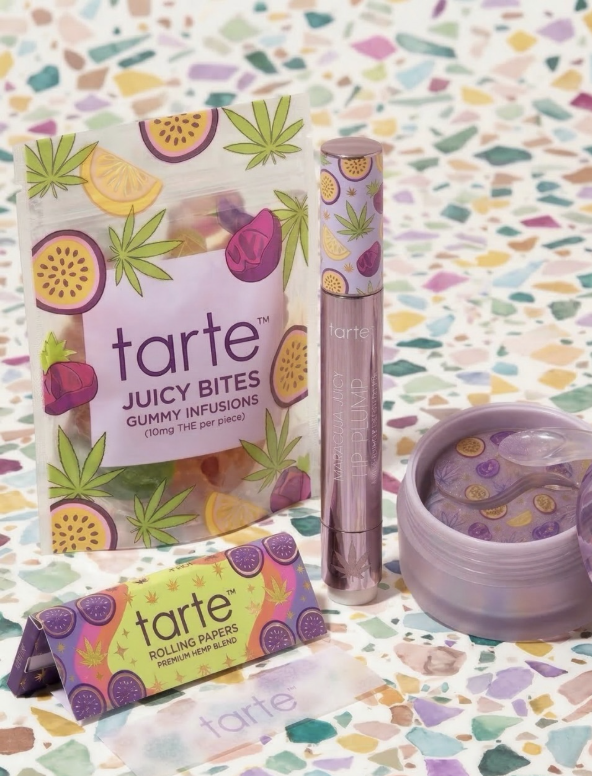
5. Tarte CBD Collection
Tarte Cosmetics leans into its playful, internet-native identity by turning its well-known maracuja line into a CBD inspired collection that feels surprisingly believable. By building on familiar products and tapping into wellness trends, it creates that “wait, is this real?” effect that drives curiosity, shares, and engagement.
April Fools’ campaigns like these work because they make consumers feel like they’re in on the joke while still showcasing a brand’s creativity and cultural awareness. The strongest executions remain true to their brand’s identity while also tapping into real consumer behaviors and trends, which is why many of these campaigns feel so believable. At the end of the day, the best April Fools’ marketing isn’t just funny, its strategy resulting in the spark of conversation, increase in visibility, and sometimes even plants a seed for products consumers didn’t even know they wanted.
What was your favorite April Fools’ marketing campaign this year?

 Through a Marketing Lens — by Katie Windfeldt
Leave a comment