Growing up in a digital-first world, I feel like I’ve had a front row seat to watch the rise of influencer marketing. From watching YouTubers casually share their favorite products to now seeing influencers earn thousands of dollars for a single TikTok or Instagram post, the shift has been fascinating to watch and incredibly telling of where marketing is headed. What was once authentic, everyday recommendations has now turned into a full-scale marketing strategy that is used by brands of all sizes and in many different industries. As a consumer who values seeing life through a marketing lens, it has been especially interesting watching how this transformation has reshaped the way brands can connect with their audiences.
In many ways, influencer marketing has replaced the traditional forms of marketing and advertising. You no longer see everyday brands relying heavily on billboards, print ads, and even commercials to drive awareness. Instead, that budget is now being used toward influencers who already have built-in trust and a loyal following that aligns with the brand’s target audience. By partnering with creators who reflect the brand’s values and standards, brands are able to reach consumers in a way that feels more personal and less intrusive, which also reflects a shift in consumer behavior. People are now more likely to trust a recommendation from someone they follow rather than a brand speaking directly to them.
With that being said, this shift also comes with a level of risk that brands cannot ignore and must be careful of. When companies choose to invest into influencer marketing, they are placing their brand reputation in the hands of another individual since there is always a possibility that the influencer may not fully align with the brand’s values, or that consumers may not respond the way they expected. When there’s an over-saturation of sponsored content, it can also make partnerships feel forced or inauthentic, which can hurt both the influencer themselves as well as the brand. Because of this, it is crucial there is a balance between authenticity, alignment, and strategic execution in all influencer marketing decisions that decision makers must look out for.
A recent example of influencer marketing that I loved and stood out to me was the use of Rob Rausch, Season Six Love Island USA contestant and recent Season Four of The Traitors winner, in announcing that MAC would now be available in Sephora, which you can now see directly on Sephora’s website. By choosing Rob, the brands tapped into a highly relevant and trending figure who instantly captures the attention of their target audience and increases overall engagement. To someone not part of the target market, this collab might seem random or confusing, but for those who are, it gets them talking and paying attention. MAC and Sephora’s execution of this partnership was strong, especially from having him in his signature overalls that were all black to align perfectly with both brands’ aesthetics to placing him in a high-visibility location like Times Square and even having him physically in stores during the launch. This made the announcement feel more immersive and genuine, something that viewers value and look for even if they may not know it. I especially admired their ability to create an experience rather than relying on a simple sponsored post or promotion like typical influencer marketing transactions. This collaboration between Rob Rausch and MAC x Sephora proves that when done correctly, influencer marketing can elevate brand moments rather than just promote them.

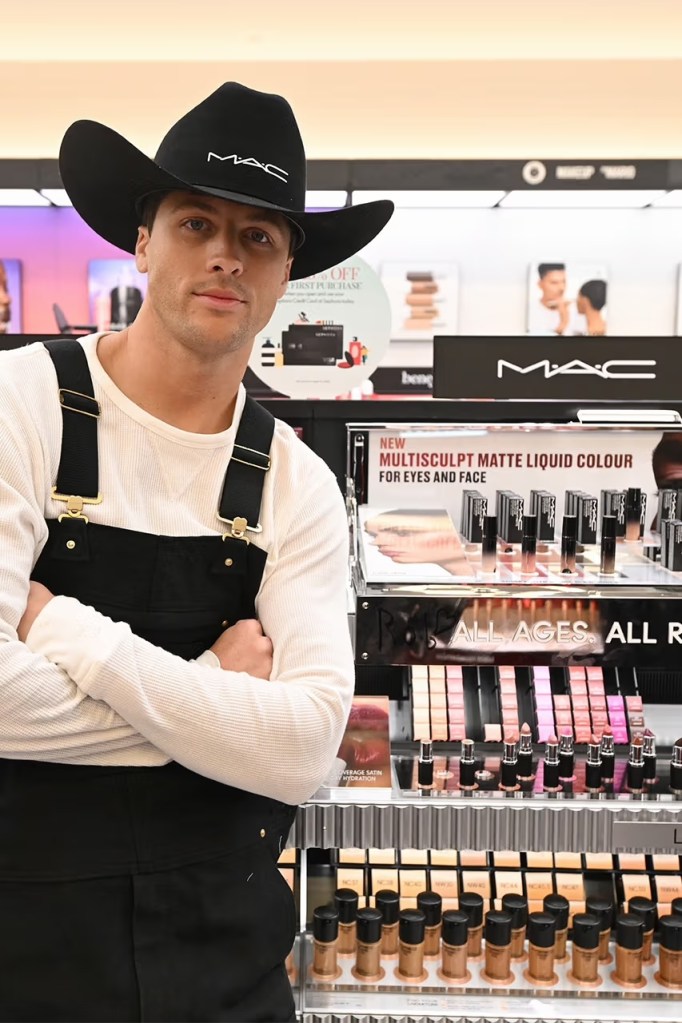
When thinking about influencer marketing from a business perspective, I believe it’s crucial to view decisions through the lens of the consumer. What may seem like a strong partnership internally doesn’t always translate the same way to the audience on the other side. Brands have to consider how authentic, relevant, and engaging the collaboration actually feels, because consumers ultimately decide its success. In many ways, brands should think like consumers themselves to truly understand what will resonate and what won’t. As influencer marketing continues to evolve, the brands that succeed will be the ones that prioritize genuine connection over quick visibility. Because at the end of the day, it’s not about who is promoting the product, it’s about how and why it resonates.
Do you think influencer marketing actually influences your purchasing decisions, or are traditional ads still more effective?

 Through a Marketing Lens — by Katie Windfeldt
Leave a comment